

How Chlorinated Water Affects Your Hair and Remedies
Swimming in a pool is a refreshing way to cool off and get some exercise. However, many people notice changes in their hair after spending time in chlorinated water. Chlorine is used to keep pools clean and safe, but it can have unintended effects on your hair's health and appearance. This article explores the chlorine impact on hair, how chlorinated water affects your hair, and practical remedies to protect and restore your locks.
What Is Chlorine Impact on Hair?
Chlorine is a chemical disinfectant added to swimming pools to kill bacteria and other harmful organisms. While it serves an important purpose in maintaining pool hygiene, chlorine can also strip away natural oils from your hair. This leads to dryness, brittleness, and sometimes discoloration.
When your hair is exposed to chlorinated water, the chlorine molecules can penetrate the hair shaft. This causes the hair cuticle, the outer protective layer, to lift and become damaged. As a result, hair loses moisture and becomes more porous. This porous state makes it easier for chlorine and other chemicals to enter and cause further damage.
Effects of Chlorine on Different Hair Types
Curly and textured hair tends to be drier naturally, so chlorine exposure can make it even more brittle and prone to breakage.
Fine hair may become limp and lose volume after swimming in chlorinated water.
Color-treated hair is especially vulnerable because chlorine can strip away hair dye, causing fading or unwanted color changes.
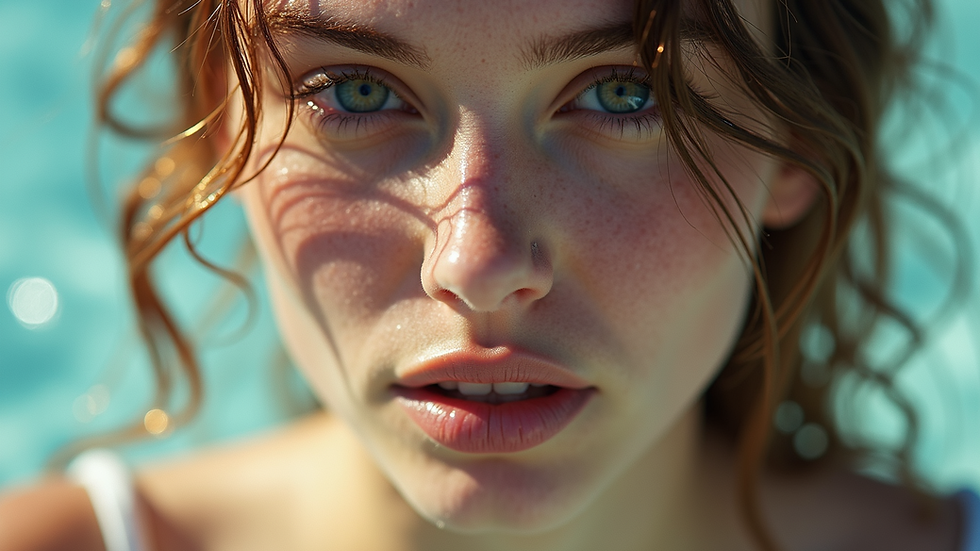
How Chlorinated Water Affects Your Hair
The chlorinated water effects on hair are varied and can be quite noticeable if you swim regularly. Here are some common issues caused by chlorine exposure:
1. Dryness and Brittleness
Chlorine removes the natural oils that keep hair moisturized. Without these oils, hair becomes dry and brittle. This makes it more prone to split ends and breakage.
2. Color Changes and Green Tint
Chlorine can react with minerals in pool water, such as copper, leading to a greenish tint in light-colored or bleached hair. This is a common complaint among swimmers.
3. Rough Texture and Tangling
Damaged cuticles cause hair strands to become rough and tangled. This makes combing difficult and can lead to hair loss from excessive pulling.
4. Scalp Irritation
Chlorine can also irritate the scalp, causing dryness, itchiness, and flakiness. A healthy scalp is essential for strong hair growth.

Is Chlorinated Water Bad for Your Hair?
Yes, chlorinated water can be harmful to your hair if precautions are not taken. The extent of damage depends on factors such as:
Frequency and duration of exposure
Hair type and condition
Whether protective measures are used
Repeated exposure to chlorinated water without protection can lead to cumulative damage. However, with proper care, you can minimize the negative effects and keep your hair healthy.
Signs Your Hair Is Suffering from Chlorine Damage
Excessive dryness and frizz
Hair feels rough or straw-like
Noticeable color changes or fading
Increased hair breakage or shedding
Scalp discomfort or irritation
If you notice these symptoms after swimming, it’s time to take action to protect and repair your hair.

Practical Remedies to Protect and Repair Hair from Chlorine Damage
Taking care of your hair before, during, and after swimming can significantly reduce chlorine damage. Here are some effective tips and remedies:
Before Swimming
Wet your hair with clean water: Saturate your hair with fresh water before entering the pool. Wet hair absorbs less chlorinated water.
Apply a leave-in conditioner or hair oil: This creates a protective barrier that reduces chlorine penetration.
Wear a swim cap: A snug swim cap minimizes hair exposure to chlorinated water.
After Swimming
Rinse hair immediately: Use fresh water to wash out chlorine as soon as you get out of the pool.
Use a clarifying shampoo: This helps remove chlorine and mineral buildup. Limit use to once a week to avoid over-drying.
Deep condition regularly: Apply a moisturizing hair mask or deep conditioner to restore hydration and repair damage.
Avoid heat styling: Give your hair a break from blow dryers and straighteners to prevent further dryness.
Natural Remedies
Apple cider vinegar rinse: Mix 1 part apple cider vinegar with 3 parts water and rinse hair after swimming. This helps restore pH balance and remove residue.
Coconut oil treatment: Apply coconut oil to damp hair before swimming to lock in moisture and protect strands.
Aloe vera gel: Use aloe vera on the scalp to soothe irritation and promote healing.
Long-Term Hair Care Tips for Swimmers
Maintaining healthy hair while swimming regularly requires consistent care. Here are some long-term strategies:
Trim hair regularly to remove split ends and prevent further damage.
Use sulfate-free shampoos to avoid stripping natural oils.
Incorporate protein treatments to strengthen hair structure.
Stay hydrated and eat a balanced diet rich in vitamins and minerals for hair health.
Limit chemical treatments like bleaching or perming, which can exacerbate chlorine damage.
By following these tips, you can enjoy swimming without sacrificing the health and beauty of your hair.
Swimming is a wonderful activity, but understanding the chlorine impact on hair is essential to keep your locks looking their best. With the right precautions and care, you can protect your hair from the drying and damaging effects of chlorinated water. Remember to rinse, condition, and nourish your hair regularly to maintain its strength and shine. For more detailed information on how chlorinated water affects your hair, visit this helpful resource: chlorinated water effects on hair.


Comments